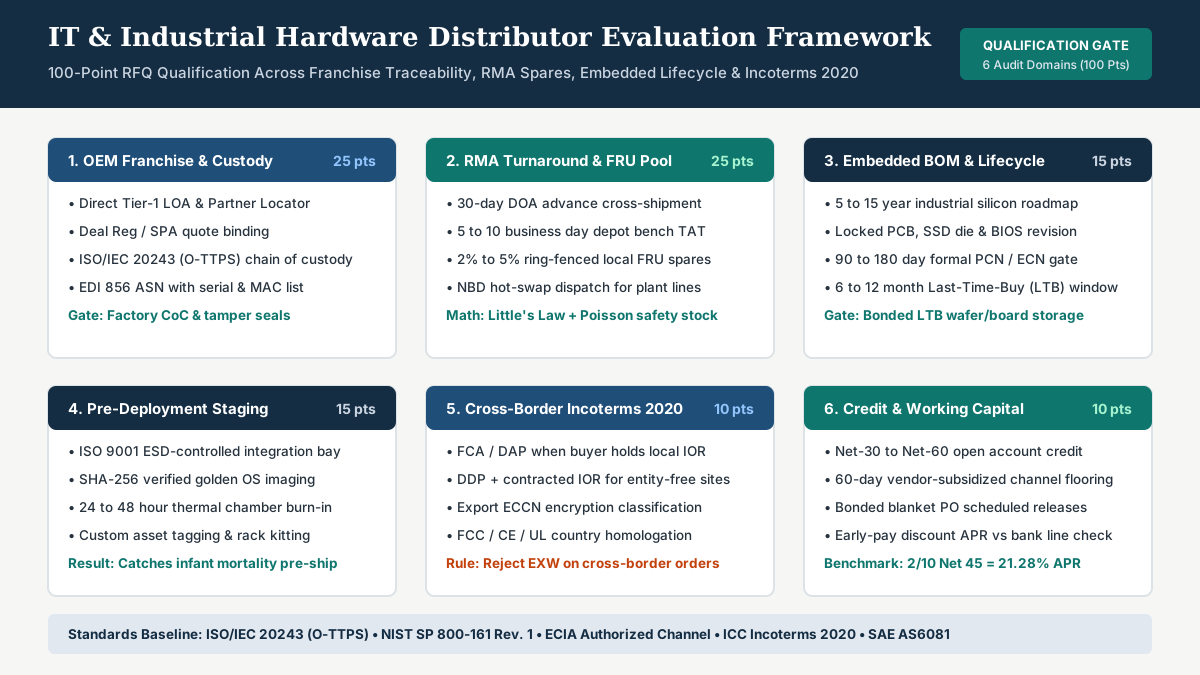
Comparing dap incoterms against cif vs fob for an industrial machinery shipment starts with the delivery and risk rules defined in the sales contract. The Incoterms are a set of 11 individual rules issued by the International Chamber of Commerce (ICC) which define the responsibilities of sellers and buyers for the sale of goods. First published by ICC in 1936, Incoterms rules are a set of eleven three-letter trade terms recognized by UNCITRAL as the global standard, and Incoterms 2020 entered into force on 1 January 2020.
Each Incoterm rule specifies the seller’s obligations for cargo delivery, clarifies when delivery takes place, and specifies when the risk of loss or damage passes from the seller to the buyer. In Incoterms 2020, all costs associated with a given rule appear at article A9/B9 of that rule, while security-related obligations appear in articles A4 on carriage and A7 on export/import clearance. On BPositiveNow’s imported-equipment cost page, offers are compared across two sheets: a doorstep total through the buyer’s door and a second sheet of after-arrival lines before the machine can run. Companion explainers on commercial contracts and procurement appear in the Business section.
| Rule or Category | Delivery, Cost, and Unloading Scope | Authority Source |
|---|---|---|
| Any mode(s) of transport (seven rules) | The seven Incoterms 2020 rules for any mode(s) of transport are EXW, FCA, CPT, CIP, DAP (Delivered at Place), DPU (Delivered at Place Unloaded), and DDP (Delivered Duty Paid). | U.S. International Trade Administration |
| Sea and Inland Waterway Transport (four rules) | The four Incoterms 2020 rules for Sea and Inland Waterway Transport are FAS (Free Alongside Ship), FOB (Free on Board), CFR (Cost and Freight), and CIF (Cost Insurance and Freight). | U.S. International Trade Administration |
| FOB (Free on Board) | Under FOB (Free on Board), which applies to ocean freight, the seller is responsible for costs until the goods are loaded on to a vessel at the named UK port, after which the buyer bears onward costs and risks. | UK Department for Business and Trade |
| CFR (Cost and Freight) | Under CFR (Cost and Freight), the seller pays the costs and freight to bring the goods to the overseas port of destination, while unloading at the destination port and import clearance are covered by the buyer. | UK Department for Business and Trade |
| CIF (Cost, Insurance and Freight) | Under CIF (Cost, Insurance and Freight), the seller pays costs, freight, and insurance to the overseas port of destination with default cover under Institute Cargo Clauses (C) in both 2010 and 2020 Incoterms. | UK Department for Business and Trade |
| DAP vs. DPU unloading boundary | The sole difference between DAP and DPU in Incoterms 2020 is unloading: under DAP the seller does not unload the goods (delivery happens before unloading), whereas under DPU the seller does unload the goods. | International Chamber of Commerce (ICC) |
| DPU (Delivered at Place Unloaded) | Under DPU (Delivered at Place Unloaded), the seller is in charge of unloading the goods at the named destination, while import customs clearance and payment of all customs duties and taxes are completed by the buyer. | UK Department for Business and Trade |
| DDP (Delivered Duty Paid) | Under DDP (Delivered Duty Paid), which applies to all forms of transport, the seller bears all risks and costs associated with delivering the goods to the named place of destination ready for unloading and cleared for import. | UK Department for Business and Trade |
How Incoterms 2020 Split Transport Modes and Risk Transfer (CIF and FOB vs. DAP)
Evaluating incoterms dap alongside cif vs fob requires separating multimodal rules from maritime-only rules. The Incoterms 2020 rules are grouped into two categories reflecting modes of transport: of the 11 rules, seven are for any mode(s) of transport and four are for sea or land or inland waterway transport. The seven Incoterms 2020 rules for any mode(s) of transport are EXW, FCA, CPT, CIP, DAP (Delivered at Place), DPU (Delivered at Place Unloaded), and DDP (Delivered Duty Paid). The four Incoterms 2020 rules for Sea and Inland Waterway Transport are FAS (Free Alongside Ship), FOB (Free on Board), CFR (Cost and Freight), and CIF (Cost Insurance and Freight).
Under FOB (Free on Board), which applies to ocean freight, the seller is responsible for costs until the goods are loaded on to a vessel at the named UK port, after which the buyer bears onward costs and risks. In the U.S. EPA Air Pollution Control Cost Manual (Table 2.4), vendor quotes are generally F.O.B. the vendor (no taxes, freight, or other charges included), and as a fraction of FOB equipment cost, Freight is 0.01 to 0.10 (typical 0.05), Sales Tax is 0 to 0.08 (typical 0.03), and Instrumentation is 0.05 to 0.30 (typical 0.10). Free Carrier (FCA) was revised for Incoterms 2020 so that article A6/B6 allows the parties to agree that the buyer will instruct the carrier to issue an on-board bill of lading to the seller.
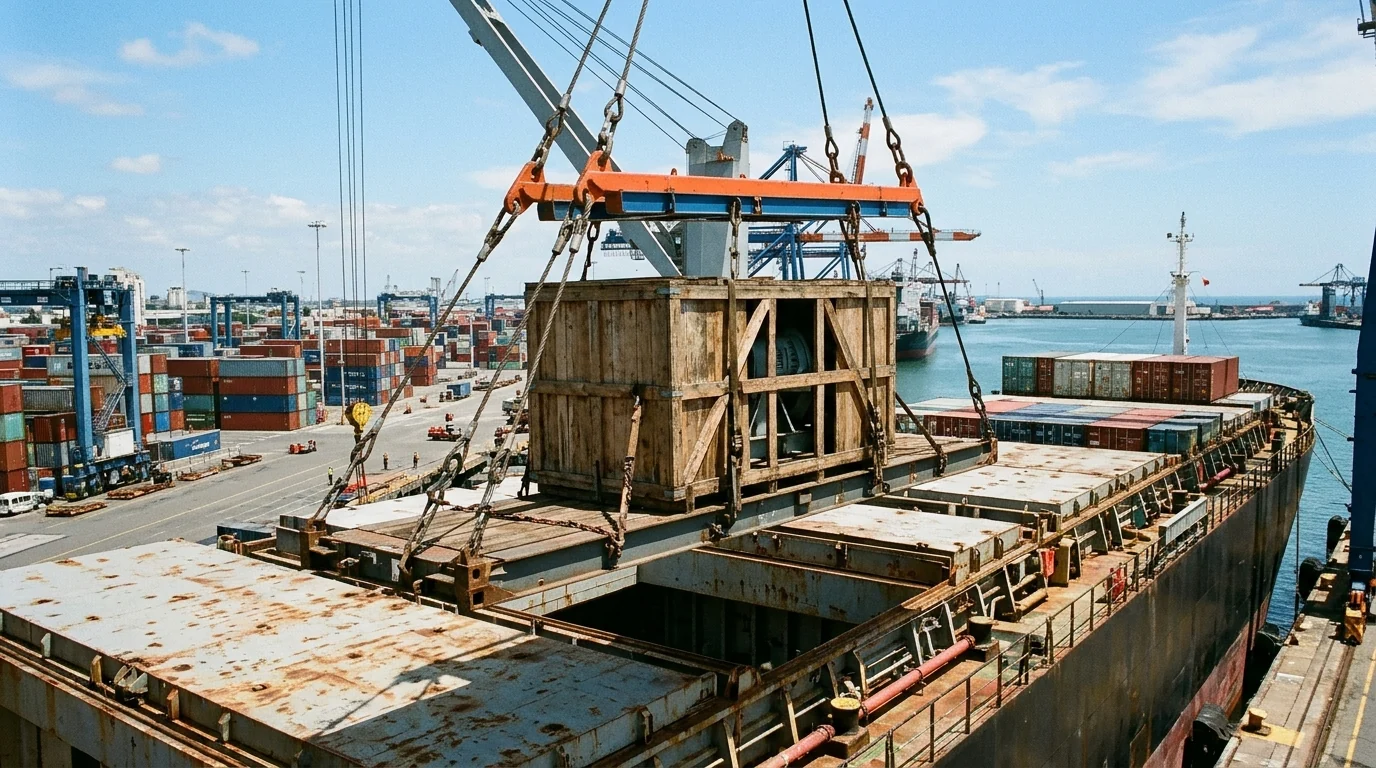
Before a machine leaves the factory floor for the export port, pre-shipment inspection gates verify its physical readiness for carriage. On BPositiveNow’s FAT vs SAT page, before signing the FAT shipping release, teams verify four physical preparation checks in U.S. Department of Energy guidance (DOE Section 1.5.3): suitability to travel, equipment cleanliness, preservation medium, and replacing temporary hydrostatic test gaskets with permanent service gaskets. When shipping overseas, exporters must ensure that merchandise is packed and labeled correctly, has correct export documentation, and has insurance to cover any damage, loss, pilferage, or delay.
The CIF Machinery Exposure: Clause (C) Insurance and Port Demurrage
Buyers comparing cif vs fob against dap incoterms must examine both marine cargo insurance levels and destination port charges. Under the CIF Incoterms 2020 rule, which is reserved for maritime trade, the Institute Cargo Clauses (C) remains the default level of insurance coverage, with the option to agree to higher cover. Under CIF (Cost, Insurance and Freight), the seller pays costs, freight, and insurance to the overseas port of destination with default cover under Institute Cargo Clauses (C) in both 2010 and 2020 Incoterms. Under Incoterms 2020, the CIP (Carriage and Insurance Paid To) rule requires a higher level of insurance cover compliant with the Institute Cargo Clauses (A) or similar clauses.
Under CIF, all costs associated with unloading the goods at the named port of destination and clearing the goods for import are paid by the buyer. International freight forwarders are licensed by the International Air Transport Association (IATA) for air freight and by the Federal Maritime Commission for ocean freight, while customs brokers transact customs business.
Once the vessel discharges the cargo at the destination port, port dwell and equipment clocks begin running. On BPositiveNow’s port-logistics page, World Bank Logistics Performance Indicators 2.0 (LPI 2.0) define container import dwell time as running from ship unloading until the container leaves the port. Under § 545.5 (Interpretation of Shipping Act of 1984), demurrage and detention encompass charges (including per diem) assessed for the use of marine terminal space or shipping containers, and their primary purpose is to serve as financial incentives to promote freight fluidity. Detention is charged for extended use of intermodal equipment and demurrage accrues when a container exceeds free time on a marine terminal; between April 1, 2020, and March 31, 2025, nine ocean carriers collected roughly $15.4 billion in D&D charges.
The DAP Unloading Boundary: Why DAP Stops on the Truck and When to Use DPU
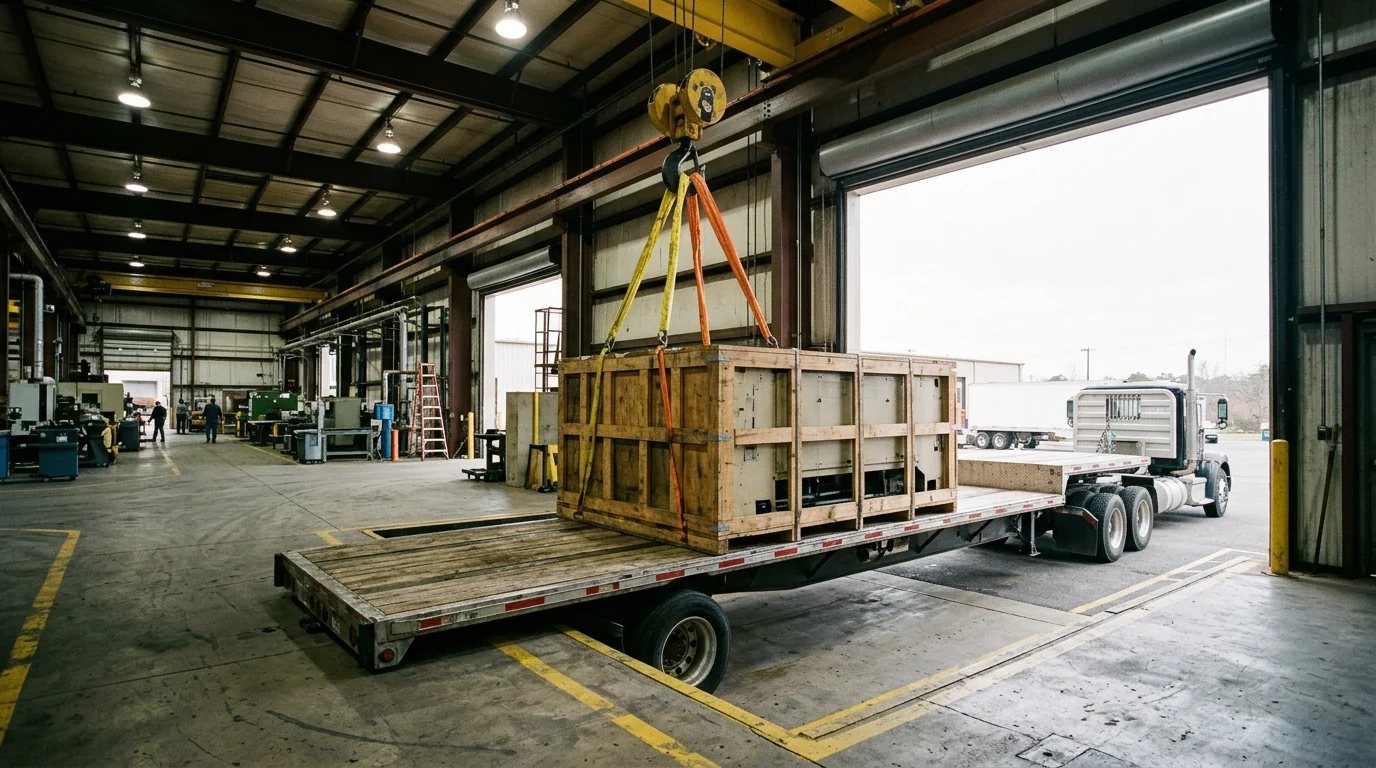
When a machinery contract specifies dap incoterms, the handover moves from the port of arrival to the named destination, but stops before the machine is lifted off the arriving vehicle. In Incoterms 2020, the former Delivered at Terminal (DAT) was changed to Delivered at Place Unloaded (DPU) to emphasize that the place of destination can be any place and not just a terminal. The DPU Incoterms rule replaces the old DAT rule, with additional requirements for the seller to unload the goods from the arriving means of transport. The sole difference between DAP and DPU in Incoterms 2020 is unloading: under DAP the seller does not unload the goods (delivery happens before unloading), whereas under DPU the seller does unload the goods. Under DPU (Delivered at Place Unloaded), the seller is in charge of unloading the goods at the named destination, while import customs clearance and payment of all customs duties and taxes are completed by the buyer.
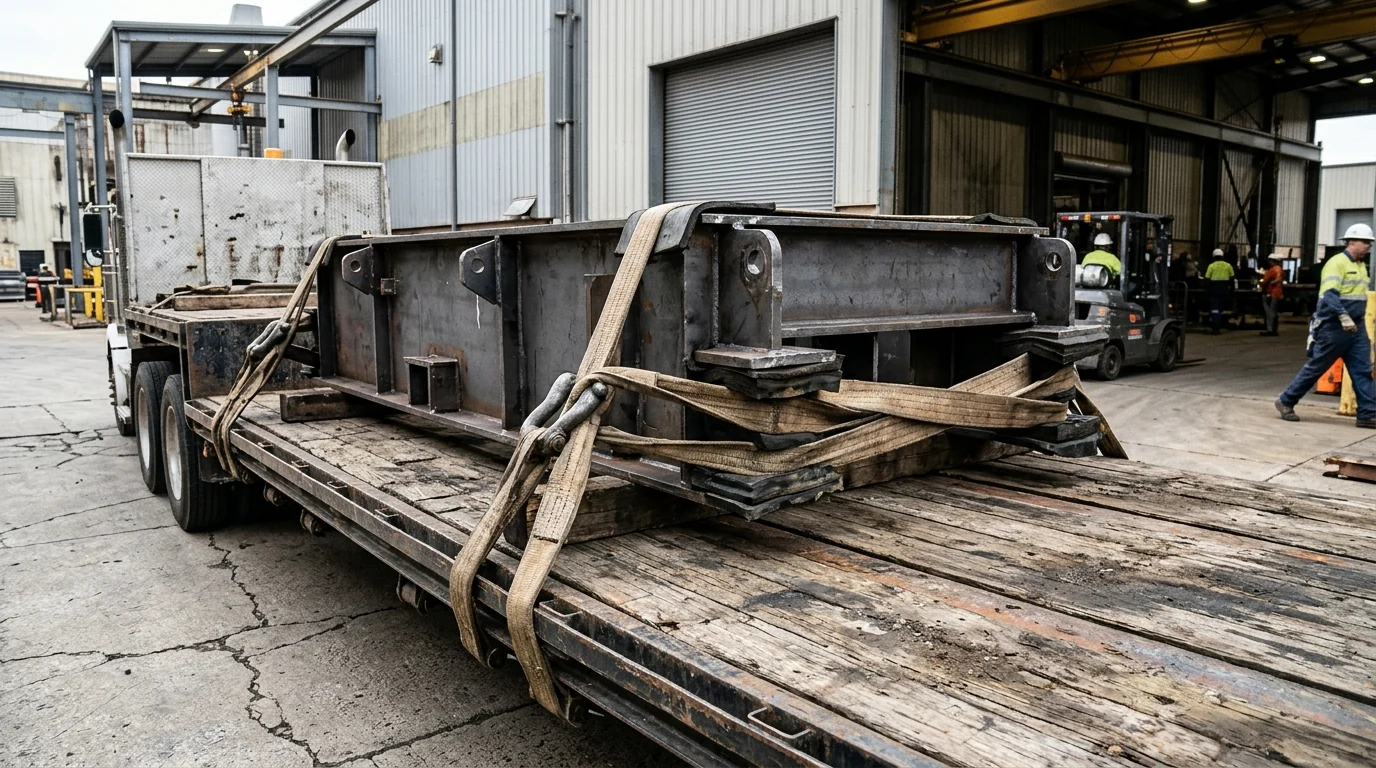
Because the buyer unloads the arriving vehicle under DAP, the plant team or rigging crew performing the lift must satisfy overhead crane, rigging sling, route survey, and floor-anchoring rules:
- Under OSHA standard 1910.179(b)(5), the rated load of an overhead or gantry crane shall be plainly marked on each side of the crane (and on each hoist or its load block if there is more than one hoisting unit) and clearly legible from the ground or floor.
- Under OSHA standard 1910.179(b)(6)(i), a minimum clearance of 3 inches overhead and 2 inches laterally shall be provided and maintained between an overhead or gantry crane and obstructions.
- Under OSHA standard 1910.179(n)(1) and 1910.179(n)(2)(i)-(ii), a crane shall not be loaded beyond its rated load (except for test purposes), the hoist chain or rope shall not be wrapped around the load, and the load shall be attached to the load block hook by slings or other approved devices.
- Under OSHA standard 1910.179(n)(3)(i) and 1910.179(n)(3)(iv), the load shall be well secured and properly balanced in the sling or lifting device before it is lifted more than a few inches, and cranes shall not be used for side pulls except when specifically authorized by a responsible person who has determined that the stability of the crane is not thereby endangered and that various parts of the crane will not be overstressed.
- Under OSHA standard 1910.184(c)(4), 1910.184(c)(5), and 1910.184(c)(7), rigging slings shall not be loaded in excess of their rated capacities, slings in a basket hitch shall have the loads balanced to prevent slippage, and slings shall be padded or protected from the sharp edges of their loads.
- Under OSHA standard 1910.184(c)(11), 1910.184(c)(14), and 1910.184(d), shock loading is prohibited, slings without legible identification markings must not be used, and each day before use slings and attachments shall be inspected for damage or defects by a competent person.
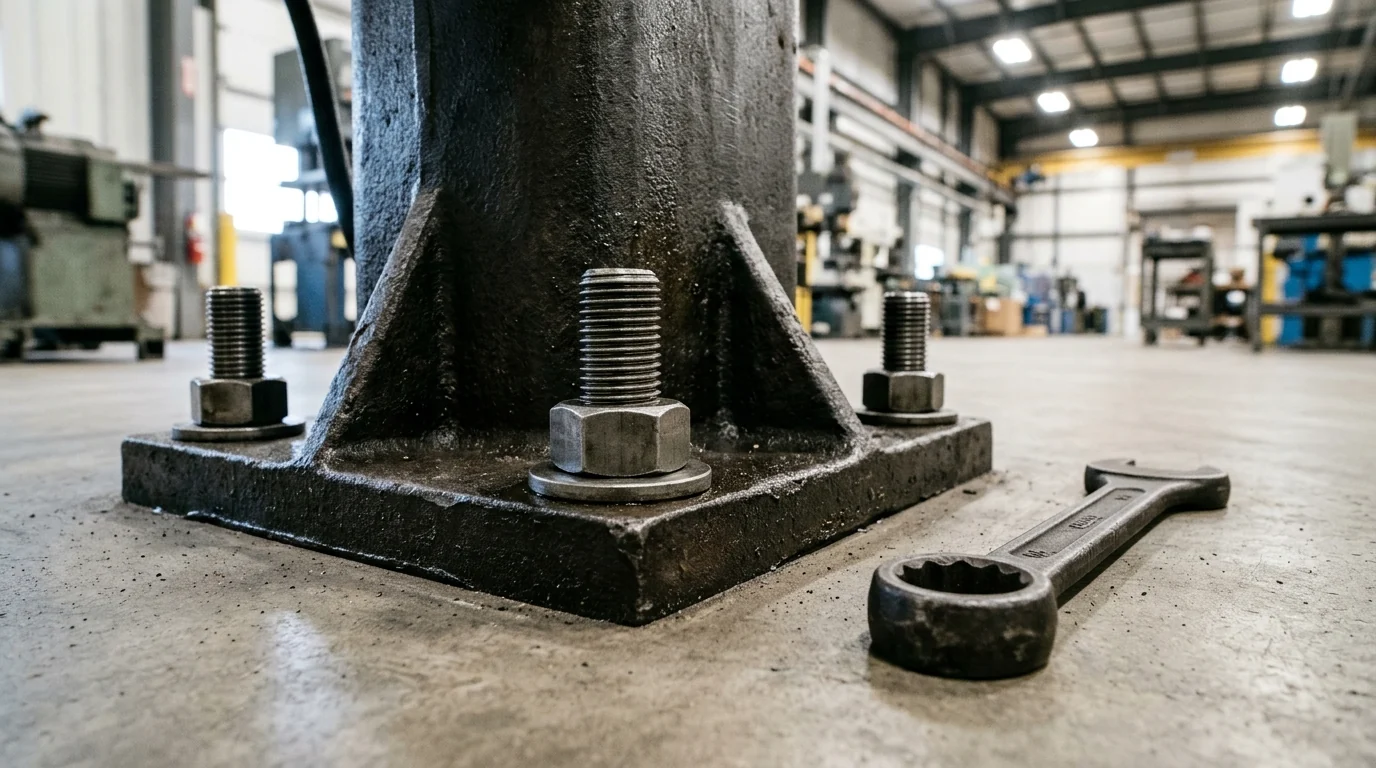
Site access, staging space, and post-unloading floor anchoring also require engineering verification before the carrier arrives. In the U.S. EPA Air Pollution Control Cost Manual (Retrofit Cost Considerations, Items 1 and 4), special care may need to be taken when unloading, transporting, and placing the equipment, and small limited-area sites may require JIT (just-in-time) delivery for direct off-loading from carrier straight to installation or off-site/fabricator storage for a rental fee. In the U.S. EPA Air Pollution Control Cost Manual (Item 5, Transportation), delivering large shop-fabricated assemblies requires examining the route from shop to plant site for road bearing limits, bridge overpass height restrictions, oversized shipment permits, special escorts, time-of-day transit limits, railway/waterway provisions, and tunnel limits. Under OSHA standard 1910.212(b), machines designed for a fixed location shall be securely anchored to prevent walking or moving.
| Standard or Manual Reference | Plant Engineering Requirement |
|---|---|
| OSHA standard 1910.179(b)(5) | Under OSHA standard 1910.179(b)(5), the rated load of an overhead or gantry crane shall be plainly marked on each side of the crane (and on each hoist or its load block if there is more than one hoisting unit) and clearly legible from the ground or floor. |
| OSHA standard 1910.179(b)(6)(i) | Under OSHA standard 1910.179(b)(6)(i), a minimum clearance of 3 inches overhead and 2 inches laterally shall be provided and maintained between an overhead or gantry crane and obstructions. |
| OSHA standard 1910.179(n)(1) and 1910.179(n)(2)(i)-(ii) | Under OSHA standard 1910.179(n)(1) and 1910.179(n)(2)(i)-(ii), a crane shall not be loaded beyond its rated load (except for test purposes), the hoist chain or rope shall not be wrapped around the load, and the load shall be attached to the load block hook by slings or other approved devices. |
| OSHA standard 1910.179(n)(3)(i) and 1910.179(n)(3)(iv) | Under OSHA standard 1910.179(n)(3)(i) and 1910.179(n)(3)(iv), the load shall be well secured and properly balanced in the sling or lifting device before it is lifted more than a few inches, and cranes shall not be used for side pulls except when specifically authorized by a responsible person who has determined that the stability of the crane is not thereby endangered and that various parts of the crane will not be overstressed. |
| OSHA standard 1910.184(c)(4), 1910.184(c)(5), and 1910.184(c)(7) | Under OSHA standard 1910.184(c)(4), 1910.184(c)(5), and 1910.184(c)(7), rigging slings shall not be loaded in excess of their rated capacities, slings in a basket hitch shall have the loads balanced to prevent slippage, and slings shall be padded or protected from the sharp edges of their loads. |
| OSHA standard 1910.184(c)(11), 1910.184(c)(14), and 1910.184(d) | Under OSHA standard 1910.184(c)(11), 1910.184(c)(14), and 1910.184(d), shock loading is prohibited, slings without legible identification markings must not be used, and each day before use slings and attachments shall be inspected for damage or defects by a competent person. |
| OSHA standard 1910.212(b) | Under OSHA standard 1910.212(b), machines designed for a fixed location shall be securely anchored to prevent walking or moving. |
Customs Clearance and Invoice Separation Under CIF, DAP, and DDP
How an equipment invoice is written under incoterms dap or cif vs fob affects customs duties, value-added taxes, and post-importation cost exclusions. The landed cost is the total price of a product once it has arrived at the buyer’s doorstep, including the original price of the product, insurance, freight, tariffs and taxes, and other fees. Landed costs should always be referred to as estimated because tariffs and taxes can change and a customs broker or shipping company may have additional charges. Whether the seller or buyer is obligated to pay duties and taxes is often determined by the Incoterm in the sales contract, and foreign customs authorities assess duties while taxes are calculated separately. Many foreign tariffs and taxes are based upon the CIF Incoterm value (Cost, Insurance, and Freight), and most value-added taxes (VAT) are calculated on the CIF plus duty amount.
Under DDP (Delivered Duty Paid), which applies to all forms of transport, the seller bears all risks and costs associated with delivering the goods to the named place of destination ready for unloading and cleared for import. Under WTO Customs Valuation Article 8, adjustments include transport, insurance, and related charges up to the place of importation if the Member values on a C.I.F. basis, but exclude post-importation duties, transport, construction, or assembly (Annex I, Note 3 to Article 1).
In the United States, customs valuation rules exclude international freight and separately identified post-importation transport and erection charges from transaction value:
- Under U.S. customs regulation § 152.103 Example 4, because U.S. transaction value excludes C.I.F. charges, a $150 ocean freight and insurance charge included in a $2,000 payment is excluded from transaction value.
- Under § 152.103(a)(5)(ii) and (iii), foreign inland freight charges in non-ex-factory sales are excluded as incident to international shipment under § 152.102(f) only if identified separately and they occur after the merchandise has been sold for export to the United States and placed with a carrier for through shipment to the United States, as established by a through bill of lading.
- Under § 152.103(i)(1)(i) and (ii), U.S. transaction value excludes, if identified separately from the price actually paid or payable, reasonable costs incurred for construction, erection, assembly, maintenance, technical assistance, or transportation of the merchandise after its importation.
Trade Term and Unloading Responsibility Matrix for Machinery Contracts
Even when a contract names dap incoterms or CIF, several commercial and legal terms remain outside the scope of the Incoterms rules. Parties to a sales contract can agree to use any version of Incoterms after 2020, provided they clearly specify the chosen version of Incoterms being used (such as Incoterms 2010 or Incoterms 2020). Incoterms do not address all conditions of a sale, do not identify the goods or contract price, do not reference payment method or timing, and do not state when title or ownership passes. Incoterms do not specify which documents the seller must provide for customs clearance in the buyer’s country, nor address liability for non-conforming goods, delayed delivery, or dispute resolution.
| Contract & Customs Verification Line | Governing Rule and Scope |
|---|---|
| Version year specification | Parties to a sales contract can agree to use any version of Incoterms after 2020, provided they clearly specify the chosen version of Incoterms being used (such as Incoterms 2010 or Incoterms 2020). |
| Title and payment terms | Incoterms do not address all conditions of a sale, do not identify the goods or contract price, do not reference payment method or timing, and do not state when title or ownership passes. |
| Customs clearance documents and remedies | Incoterms do not specify which documents the seller must provide for customs clearance in the buyer’s country, nor address liability for non-conforming goods, delayed delivery, or dispute resolution. |
| Post-importation WTO valuation exclusion | Under WTO Customs Valuation Article 8, adjustments include transport, insurance, and related charges up to the place of importation if the Member values on a C.I.F. basis, but exclude post-importation duties, transport, construction, or assembly (Annex I, Note 3 to Article 1). |
| Post-importation U.S. transaction value exclusion | Under § 152.103(i)(1)(i) and (ii), U.S. transaction value excludes, if identified separately from the price actually paid or payable, reasonable costs incurred for construction, erection, assembly, maintenance, technical assistance, or transportation of the merchandise after its importation. |
| Pre-shipment FAT release check | On BPositiveNow’s FAT vs SAT page, before signing the FAT shipping release, teams verify four physical preparation checks in U.S. Department of Energy guidance (DOE Section 1.5.3): suitability to travel, equipment cleanliness, preservation medium, and replacing temporary hydrostatic test gaskets with permanent service gaskets. |
Sources
- U.S. International Trade Administration — Know Your Incoterms
- U.S. International Trade Administration — Determine Total Export Price
- U.S. International Trade Administration — Shipping Options
- International Chamber of Commerce (ICC) — Incoterms Rules
- International Chamber of Commerce (ICC) — Incoterms 2020
- UK Department for Business and Trade (business.gov.uk) — International trade contracts and Incoterms
- World Trade Organization (WTO) — Customs Valuation: Technical Information
- U.S. Customs and Border Protection / eCFR — § 152.103 Transaction value
- U.S. Federal Maritime Commission / eCFR — § 545.5 Interpretive rule on demurrage and detention under the Shipping Act
- U.S. Federal Maritime Commission — Detention and Demurrage
- U.S. OSHA — Section 1910.179 Overhead and gantry cranes
- U.S. OSHA — Section 1910.184 Slings
- U.S. OSHA — Section 1910.212 General requirements for all machines
- U.S. EPA — Air Pollution Control Cost Manual (7th Ed.), Section 1, Chapter 2: Cost Estimation: Concepts and Methodology
- BPositiveNow — Industrial Equipment Import Costs, From Quote to Ready to Use
- BPositiveNow — Factory Acceptance Test (FAT) vs Site Acceptance Test (SAT)
- BPositiveNow — Why Port and Logistics Infrastructure Matters to Smaller Exporters